Context and History
Labor Day in Victoria has its roots in the late 19th century, when workers began to organize and demand better working conditions, fair wages, and social protection. Over the years, the labor movement has grown in strength and influence, shaping the city's social and economic landscape. Today, Labour Day is celebrated on the first Monday in September, and is an opportunity for workers, unions, and community organizations to come together and reaffirm their commitment to social justice and human rights.
Details of the Celebrations
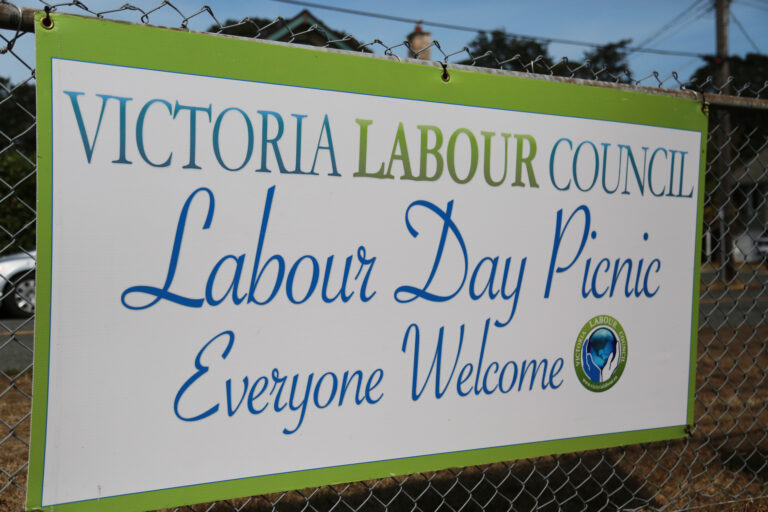
This year's Labour Day celebrations in Victoria will feature a range of activities, including rallies, marches, and cultural events. The celebrations will kick off with a rally at the city center, where workers, union leaders, and community activists will gather to demand better working conditions, fair wages, and social protection. The rally will be followed by a march through the city, ending with a cultural festival featuring music, food, and entertainment.

Implications and Significance
The Labour Day celebrations in Victoria have significant implications for workers' rights and social justice in the region. The event serves as a reminder of the importance of collective action and solidarity in achieving better working conditions, fair wages, and social protection. It also highlights the need for continued advocacy and activism to address the ongoing challenges faced by workers, including income inequality, job insecurity, and lack of social benefits. By coming together to celebrate Labour Day, workers, unions, and community organizations can reaffirm their commitment to social justice and human rights, and work towards creating a more equitable and just society.
Labour Day – Victoria Labour Council
Labour Day – Victoria Labour Council